
About Me
I am a Licensed Psychotherapist, Holistic Mental Health and Healing Practitioner, Training Facilitator, and D.E.I. Consultant. My work is rooted in relational, trauma-informed care and guided by a deep commitment to equity, justice, and embodied healing.
I identify as a Queer Haitian-American woman originally from New York. My lived experience, cultural background, and spiritual orientation inform how I show up in this work. I practice with with curiosity, care, and respect for the complexity of each person’s story. Outside of sessions, I find grounding through travel, music, animals, and long walks with my headphones on, often listening to a favorite playlist or podcast.
I am deeply committed to working with youth, young adults, women, and the LGBTQI+ community. My practice centers on supporting BIPOC Queer and Trans teens and young adults navigating trauma, identity development, and questions of belonging in a world that often asks them to fragment or shrink.
I hold a Master of Arts and a Master of Education in Psychological Counseling from Teachers College, Columbia University, and a Bachelor of Arts in Women’s Studies from the University at Albany. I am a Licensed Mental Health Counselor (LMHC) in the State of New York.
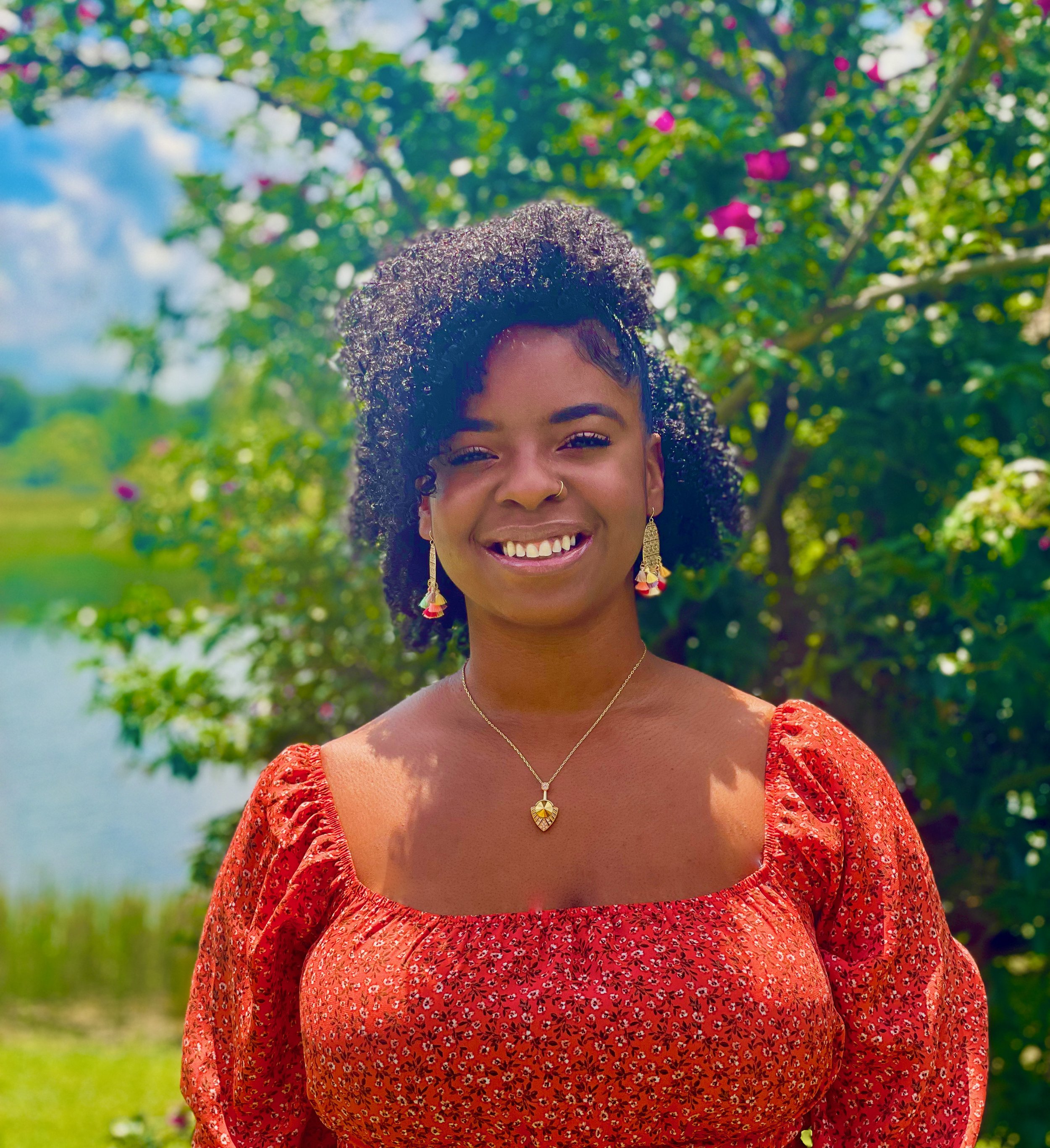
Ariel Emmanuel - She/Her

My Approach
My approach to therapy is holistic, eclectic, intersectional, and person-centered. I am deeply committed to creating therapeutic spaces that are affirming, anti-racist, and anti-oppressive, where clients can explore their experiences with care, dignity, and agency. I believe healing is not one-size-fits-all, and our work together is shaped collaboratively, honoring your lived experience, identities, and needs.
I work from a trauma-informed lens that integrates mindfulness and somatic practices, recognizing the deep connection between mind and body. Attending to the nervous system allows us to move at a pace that feels grounding and supportive, while expanding the ways we understand healing beyond talk therapy alone.
My work is also informed by restorative, healing-centered practices, particularly in supporting individuals who have experienced intimate partner violence, gender-based violence, and sexual assault. Drawing from my background in gender studies, I support clients navigating concerns related to gender, gender identity, and sexual orientation with an affirming, justice-oriented framework.

What Informs My Approach:

In addition to psychotherapy, my holistic mind-body training informs how I understand wellness and healing. When appropriate and with client consent, I may incorporate spiritually grounded practices such as, energy-based practices, or intuitive reflection. This serves as complementary supports to emotional and personal growth. My intention is to offer an approach that is intuitive, compassionate, and warm, while remaining ethically grounded and client-led. For clients who are open to it, therapy can be a space to explore spirituality, intuition, embodiment, and the deeper parts of yourself that may be asking to be heard.
I Also have a particular focus on trauma, complex trauma, and complicated family dynamics. Many of us learn early in life to adapt to our families in ways that help us survive but can become difficult to carry into adulthood. Therapy can be a space to understand these patterns without judgment and begin creating something different.
Together, we can explore the impact of family trauma, parentification, emotionally complicated relationships, boundary challenges, relational trauma, family estrangement, and the ways these experiences can shape your sense of self and your relationships with others.
I also believe healing happens in relationships and community spaces. Through training, facilitation, and community-based offerings, I support collective healing practices that consider not only the individual, but also the wider systems that interact with folks. Like the familial, cultural, spiritual, and community systems that shape mental health and well-being.


Areas of Practice
An Integrative Path to Healing:
Individual Therapy, Coaching & Holistic Healing
Providing individuals with a secure, affirming space can serve as a powerful catalyst for acceptance and healing. I believe everyone deserves to feel acknowledged, validated, and safe enough to be fully themselves. Within these intentional healing spaces, meaningful and transformative work becomes possible.
My style is open, empathetic, and relational. I aim to create an environment where clients feel comfortable expressing all parts of themselves, especially those shaped by trauma, marginalization, or silence.
I use a range of tools to support both mind and body, particularly when clients are navigating intense or heavy emotions such as stress, fear, anxiety, anger, depression, or trauma. Our work moves at a pace that prioritizes safety, nervous system regulation, and integration.
We explore not only what you’re experiencing in the present moment, but also the deep-rooted beliefs, internalized messages, and subconscious patterns that may be shaping how you see yourself and move through the world.
We can gently challenge and bring awareness to the parts of yourself that may have learned to survive by disconnecting from your needs, intuition, or inner knowing, and create space for a deeper sense of self-trust and authenticity.
As a holistic healing practitioner, I also draw from Mind-body practices such as energy work, and intuitive reflection to support spiritual growth and self-awareness. When appropriate and with consent, these practices may be woven alongside mindfulness, somatic, and holistic approaches to support healing beyond the cognitive level, honoring the whole person, mind, body, and spirit.
Building Inclusive, Healing Organizations:
Equity Centered Consulting
My work as an Anti-Racist, Diversity, Equity, and Inclusion Consultant is grounded in an intersectional equity lens that critically examines how systems, policies, and practices impact people differently across race, class, gender, sexuality, ability, and other identity factors. This framework allows organizations to identify inequities, address harm, and move toward more just and inclusive structures.
I partner with organizations to design and cultivate community-based healing spaces by integrating restorative and social justice frameworks into their mission, culture, and programming. Through training, facilitation, and consultation, I support teams in building shared language, accountability, and practices that align with equity-centered values.
My passion for working with individuals and communities from diverse racial and cultural backgrounds, religions, abilities, body types, and LGBTQI+ identities informs every aspect of my consulting work. I am committed to supporting organizations in developing culturally responsive, anti-racist, anti-oppressive, and LGBTQI+ affirming practices that move beyond performative inclusion toward meaningful, sustainable change.
In my consulting role, I provide leadership, strategic direction, and implementation support for anti-racist and DEI initiatives. This includes assessing organizational needs, co-creating equity-focused strategies, and supporting teams in translating values into actionable policies and practices that foster cohesion, belonging, and accountability.